
Turquoise water and soft white sand continue to attract travelers to Seychelles. However, the CDC now urges caution. Officials issued a Level 2 travel notice after detecting an outbreak of chikungunya virus on the islands.
While the agency does not advise canceling trips, it does recommend stronger safety steps.
What Is the Chikungunya Virus?
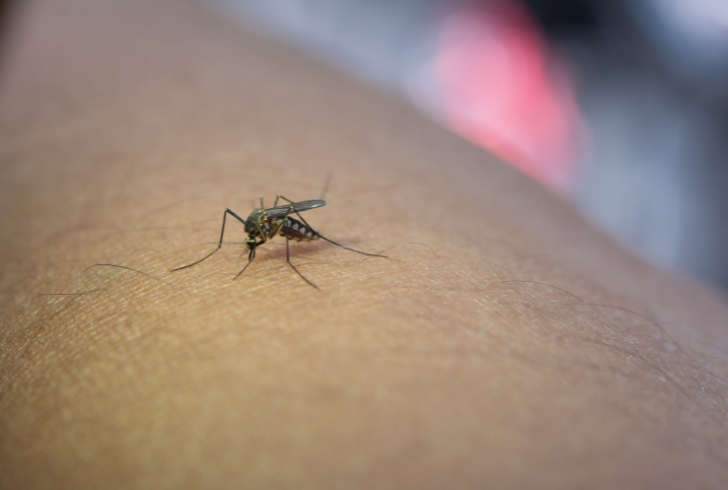
The spread of chikungunya relies on infected mosquitoes. After being bitten, people generally notice symptoms within three to seven days. Fever and intense joint pain are common early signs, followed by headaches, rash, and fatigue. In some cases, joint discomfort continues for months. Despite this, deaths remain rare.
Because transmission depends on mosquitoes, beach destinations may carry added risk. Visitors are advised to remain vigilant, particularly at times of day when mosquitoes are most active.
How Travelers Can Stay Protected
Although lightweight clothing suits tropical weather, experts suggest wearing long sleeves and pants outdoors. In addition, travelers should apply EPA-approved insect repellent regularly. Mosquito nets and screened rooms also reduce exposure.
A vaccine against chikungunya is available for certain individuals planning travel. Healthcare providers evaluate who should receive it based on risk exposure. Addressing this before departure strengthens overall protection.
Other Areas Reporting Cases
The CDC also reports outbreak zones in:
- Bolivia
- Cuba
- Sri Lanka
- Suriname
In contrast, the United States sees mostly travel-related cases and very limited domestic transmission.
Seychelles is still open to visitors. Informed choices—monitoring updates, packing mosquito prevention supplies, and consulting a provider—can reduce risk. Careful preparation keeps beach trips both safe and enjoyable.