
Chile stretches along South America’s western edge, and it delivers a mix of landscapes that feels almost unreal. From deserts to glaciers, the country offers variety at every turn. However, its long and narrow shape can make planning tricky.
So, understanding timing, routes, and local habits helps travelers build a smooth and rewarding trip.
Getting to Chile Made Simple
Travelers from the UK can reach Santiago through direct and connecting flights. British Airways runs a nonstop route from Heathrow, and the journey takes about 14.5 hours.
Meanwhile, airlines like LATAM provide connecting options and also link travelers to cities such as Puerto Natales and Easter Island.
As a result, reaching different regions becomes easier once inside the country.
Choosing the Right Time to Visit
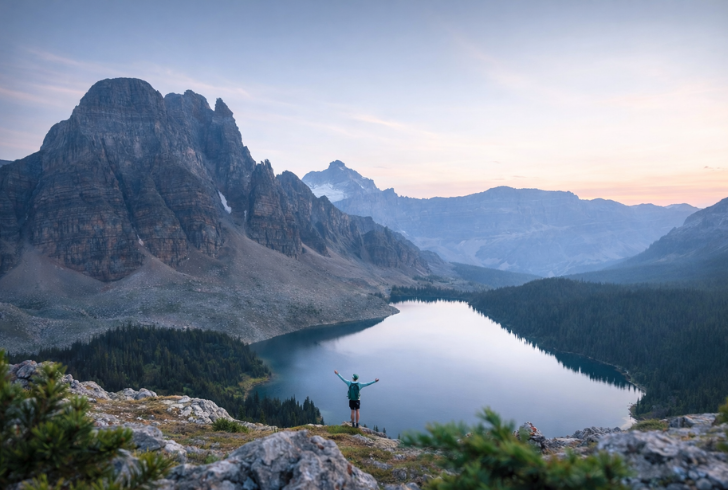
Chile follows opposite seasons compared to Europe and North America. Summer arrives between December and March, and it brings warm weather and longer days. At the same time, spring and fall offer milder temperatures and fewer crowds, which makes them ideal for hiking or wine tours.
Winter, which runs from June to August, attracts visitors who enjoy skiing in the Andes. Meanwhile, northern Chile stays dry and clear, which suits desert exploration.
Also, the country celebrates Fiestas Patrias on September 18, so visitors can experience traditional food, dance, and local culture during that time.
How Long to Stay for the Best Experience
Trip length shapes the overall experience. A stay of seven to ten days allows travelers to focus on one region. For example, the Atacama Desert offers dramatic landscapes, while Patagonia delivers rugged beauty.
On the other hand, two to three weeks open more possibilities. Travelers can combine Santiago’s culture with coastal towns or include places like Chiloé Island. As a result, longer trips create a more complete view of Chile’s diversity.
Getting Around Without Stress
Traveling across Chile often involves covering long distances, so domestic flights can save both time and effort. LATAM connects Santiago to most major hubs. Meanwhile, the bus system remains a dependable alternative, with companies like Turbus offering comfortable, reclining-seat coaches for longer journeys.
Within cities, ride-hailing apps and licensed taxis are the preferred options. In more remote areas, rental cars or guided tours become essential, as public transport is limited.
Driving Tips for Exploring Freely
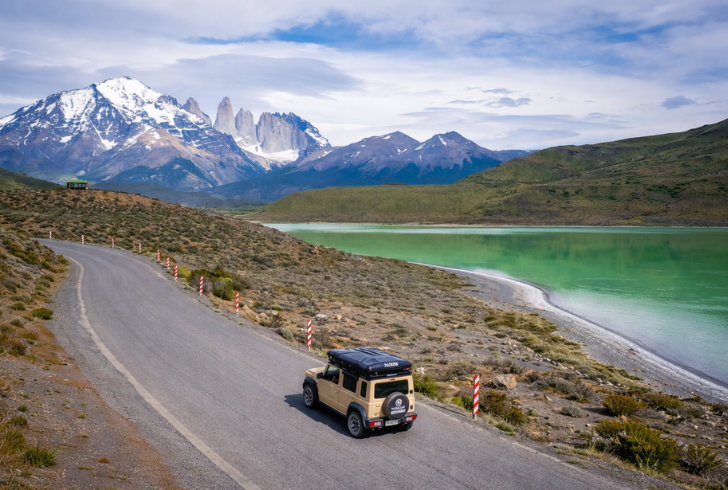
Driving is usually straightforward, especially along main highways. Roads are well-maintained, and traffic rules are easy to follow. Patagonia, however, brings different challenges. Winds can be strong, roads may turn to gravel, and fuel stops can be far apart.
Booking rental cars ahead of time is wise during peak travel seasons. Some smaller stations only accept cash, so it’s helpful to carry some. Keeping water, snacks, and offline maps on hand adds another layer of safety.
Understanding Local Customs and Culture
Politeness plays an important role in Chilean culture. Greeting someone with a simple “hola” is expected, and handshakes are common during introductions.
Lunch is usually the main meal of the day and can extend well into the afternoon. Dinner tends to start later, often around 9 p.m. or even later. Tipping around 10 percent in restaurants is standard. While punctuality is respected, life outside Santiago often moves at a more relaxed pace.
With careful planning and a sense of curiosity, Chile offers a wide range of experiences. Respecting local customs helps create smoother interactions, while staying flexible allows travelers to fully enjoy the journey.