
Healthy, defined curls don’t happen by accident. They respond to care, consistency, and the right routine. While glossy ringlets often look effortless, most well-defined curls follow a structured system known as the Curly Girl Method. This approach helps curls regain shape, moisture, and strength. However, beginners often feel confused by conflicting advice and complicated steps.
The good news? The Curly Girl Method becomes simple once the core principles are clear. With the right foundation, curls can look smoother, shinier, and more defined without harsh treatments or heavy styling tools.
What Is the Curly Girl Method?

The Curly Girl Method, created by hairstylist Lorraine Massey in her book “Curly Girl: The Handbook,” focuses on enhancing natural texture instead of fighting it. Traditional hair routines often target straight hair. As a result, they strip moisture, disrupt curl patterns, and cause frizz.
This method removes damaging ingredients and replaces them with hydration-focused care. Instead of harsh shampoos and heavy silicones, it encourages gentle cleansers, nourishing conditioners, and curl-friendly styling products.
Although curl types vary, the goal remains the same: support the hair’s natural pattern. When curls receive proper moisture and protection, they respond with definition and bounce.
Will the Curly Girl Method Work for Every Curl Type?
The Curly Girl Method supports waves, curls, and coils. However, results depend on hair texture and lifestyle. Celebrity hairstylist Marc Ballance explains that the method benefits most curl patterns, yet it requires personalization. He notes that success depends on adjusting products and techniques to hair needs rather than rigid rules.
Type 3 curls often show dramatic improvement. Meanwhile, many 2c waves and 4a coils also thrive under this routine. Fine waves may require lighter products. Dense coils may need richer formulas. Therefore, trial and adjustment remain essential.
Because curls differ in thickness and porosity, no single formula works for everyone. Still, the method provides a reliable structure for healthier hair.
What to Avoid in the Curly Girl Method
The foundation of the Curly Girl Method involves removing harmful elements. When damaged ingredients are removed, curls regain moisture and flexibility.
Sulfates
Traditional shampoos contain strong detergents that strip natural oils. Although they create a deep clean feeling, they also leave curls dry and fragile. Instead, gentle sulfate-free cleansers preserve hydration.
Silicones
Silicones coat hair strands to create artificial shine. However, most forms build up over time. This buildup weighs down curls and blocks moisture. Because sulfates remove silicones, avoiding both keeps hair balanced.
Waxes and Mineral Oils
These ingredients sit on the surface and resist removal without harsh cleansers. Consequently, they undermine the method’s purpose.
Hot Tools
Flat irons and curling wands damage curl structure. Heat weakens protein bonds and increases dryness. A diffuser on low heat remains acceptable, yet air-drying often works best.
Rough Towel Drying
Regular towels lift the cuticle, causing frizz. Instead, microfiber towels or cotton T-shirts protect curl definition.
Drying Alcohols
Many aerosol sprays contain alcohols that evaporate quickly and dry out hair. While not all alcohols harm curls, avoiding harsh types protects long-term health.
Products Needed for the Curly Girl Method
After removing damaging products, curls need supportive replacements. Although product choices vary, beginners typically rely on three core items: cleanser, conditioner, and styling product.
Cleanser
A gentle sulfate-free shampoo or cleansing conditioner keeps the scalp clean without stripping moisture. Hair thickness determines which option works best.
Conditioner
Conditioner restores hydration and improves detangling. Some routines use the same product for cleansing and conditioning. Others prefer a separate, richer formula.
Gel or Styling Product
Gel locks in definition and reduces frizz. Although mousse works for fine waves, gel suits most curl patterns. Applying it to soaking-wet hair improves results.
Because curl types vary, experimentation remains necessary. However, starting simple prevents overwhelm.
Can Shampoo Be Used?
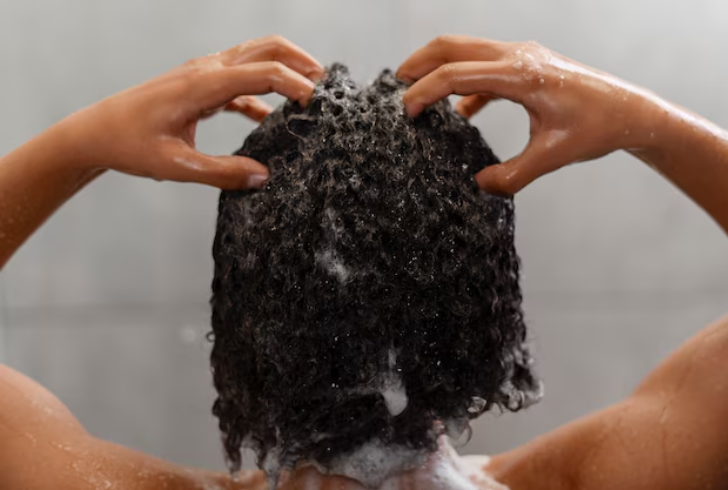
Yes. The Curly Girl Method includes two cleansing phases.
The Reset Wash
Before starting, a one-time clarifying shampoo removes silicone and wax buildup. This reset creates a clean base. Afterward, sulfates are no longer part of the routine unless an accidental buildup requires another reset.
The Regular Cleanse
After resetting, sulfate-free shampoo or cleansing conditioner maintains scalp health. Curl expert Stephanie Tineo explains that gentle cleansers remove oil while preserving moisture. Choosing between low-poo shampoo and co-wash depends on hair type.
How to Wash Hair With Conditioner
Many beginners question co-washing. However, conditioner contains mild cleansing agents that lift dirt when massaged properly.
Cleansing conditioner works best for dry, coarse, or tightly coiled hair. These textures rarely need strong detergents. Instead, they respond to water, massage, and moisture.
For fine or oily hair, sulfate-free shampoo often works better. If hair feels squeaky or stripped after rinsing, the cleanser may be too harsh. Mixing a small amount of conditioner into shampoo can soften the effect.
How Often Should Hair Be Cleansed?
Frequency depends on scalp behavior and lifestyle. Those who exercise frequently or experience oil buildup may cleanse more often. Ballance advises avoiding daily washing but encourages flexibility.
Coily textures may cleanse once weekly. Thick curls may be washed one to three times weekly. Fine waves may require cleansing every other day. Because gentle formulas protect moisture, cleansing frequency does not harm curls when chosen wisely.
Step-By-Step Curly Girl Method Routine
Now that the basics feel clearer, applying the method becomes straightforward.
Step 0: Reset
Use clarifying shampoo once to remove buildup. Rinse thoroughly. This step prepares curls for improvement.
Step 1: Cleanse
Apply sulfate-free shampoo or cleansing conditioner. Massage the scalp for at least one minute. Use fingertips or a soft brush. Detangle gently before rinsing.
Step 2: Condition
Apply a generous amount of conditioner from mid-length to ends. Fully saturate strands. Detangle again with fingers or a wide-tooth comb. Many curl enthusiasts use the “squish to condish” technique by pressing conditioner upward into curls to enhance moisture absorption.
Step 3: Style
Apply gel to soaking-wet hair. Scrunch upward from ends to roots. Use enough product to evenly coat the strands. Although the amount may feel excessive, proper coverage ensures hold.
Step 4: Dry
Blot excess water with a cotton T-shirt or microfiber towel. Then air-dry without touching hair. Alternatively, diffuse on low heat. Once fully dry, gently scrunch out any crunchy cast to reveal soft, defined curls.
This process may appear detailed, yet repetition builds confidence quickly.
Adjusting the Method Over Time

Consistency delivers results. However, flexibility prevents frustration. Some curls respond better to protein treatments. Others prefer deeper moisture masks. Seasonal changes may require richer conditioners during winter and lighter products in summer.
Tracking hair behavior helps refine choices. If curls feel limp, reduce the use of heavy products. If dryness appears, increase conditioning time. Small adjustments create noticeable improvements.
Why the Curly Girl Method Works
Curls naturally struggle with moisture because their spiral shape slows the distribution of oil from scalp to ends, making dryness and frizz common. The Curly Girl Method addresses this by eliminating harsh ingredients and promoting hydration. Reducing heat and friction also helps preserve curl structure.
Results require patience, as transformation happens gradually. With consistent care—moisturizing, gentle handling, and protective styling—curls regain definition, softness, and shine.
While it may seem overwhelming at first, following the fundamentals simplifies the process: use hydrating products, style on wet hair, dry gently, and adjust techniques as needed. With commitment, natural curls become stronger, more defined, and easier to manage over time.