
Across the globe, wheat remains one of the most consumed grains. However, how it’s eaten has changed dramatically. In 2025, the biggest rise in wheat demand comes from fast-developing countries in Asia and Africa. Rapid urban growth, industrial expansion, and changing diets have boosted wheat imports, which now make up about a quarter of the global wheat trade.
Meanwhile, in traditional bread-eating regions such as North America and Europe, consumption has slowed. For instance, in the UK, bread intake dropped from nearly a kilogram per person weekly in 1970 to under half that by 2023. As living standards improve, people tend to diversify their diets. This shift shows a move away from simple staples toward more varied, health-conscious meals.
These changes reflect not just economic growth but also health awareness. Many now question whether white or wholegrain bread supports a healthier lifestyle. The discussion extends beyond nutrition, it connects with culture, affordability, and evolving food systems worldwide.
How Milling Changes Nutrition
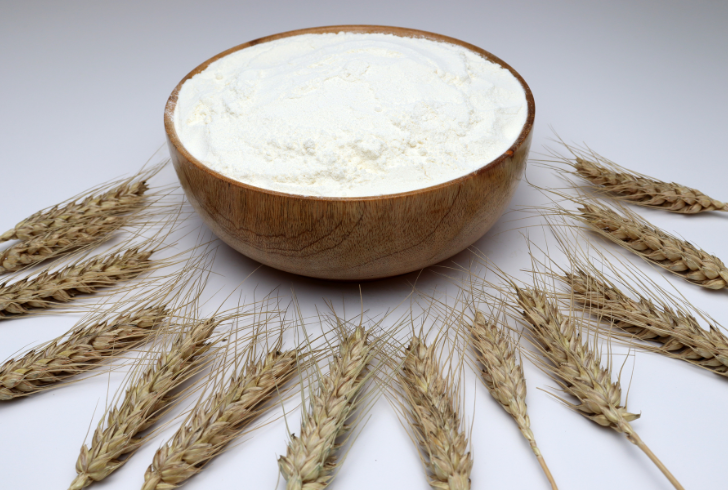
The nutritional gap between white and wholegrain bread starts at the milling stage. Wheat grains have three main parts, the bran, the germ, and the endosperm. Modern milling separates these layers, keeping mostly the endosperm to produce soft, fine white flour. Unfortunately, that process removes much of the fiber, vitamins, and minerals found in the bran and germ.
In contrast, wholegrain and wholemeal flours retain all parts of the grain. That means more fiber, B vitamins, iron, and antioxidants in every slice. However, not all “brown” breads are truly wholegrain. Some simply mix white flour with bran or add coloring to appear healthier. Checking nutrition labels helps consumers choose genuine wholegrain options.
Wholemeal bread uses 100% wholemeal flour, while wholegrain bread includes the full grain, bran, germ, and endosperm, in natural proportions. Coarser milling also affects texture and appearance, often giving wholegrain bread a denser bite and nutty taste. Although traditional stone milling preserves more nutrients, modern roller mills are more efficient and consistent.
Why Bread Type Matters for Health
Bread’s influence on health depends on its type, portion size, and what accompanies it. Studies show that diets rich in wholegrain foods can help lower risks of type 2 diabetes, cardiovascular disease, and certain cancers. The key benefits stem from fiber and micronutrients that support digestive and metabolic health.
Wholegrain fibers act as food for gut microbes. When fermented, they produce compounds that enhance gut health and reduce inflammation. This microbial activity can help maintain a balanced metabolism and protect against chronic disease.
Regular wholegrain consumption may also help manage weight. Its dense structure slows digestion, helping people feel full longer. Some studies suggest that sourdough and coarsely ground breads also digest more slowly, promoting satiety.
White bread, while lower in fiber, still contributes energy and essential nutrients, especially when fortified. It’s softer and milder in flavor, making it a preferred choice for many. However, frequent large portions of refined bread without other nutrient-rich foods can raise blood sugar levels quickly.
Interestingly, not all research agrees that wholegrain bread always causes lower blood sugar spikes. When wholegrain flour is finely ground, its glycemic response can resemble that of white bread. That’s why grain texture and processing play major roles in determining health effects.
Addressing Gluten and Wheat Sensitivity
For most people, both white and wholegrain breads are safe to enjoy. Yet, some individuals react differently to wheat components. Gluten triggers celiac disease in genetically sensitive people, while others may experience mild wheat intolerance.
White flour contains higher concentrations of certain proteins, including amylase-trypsin inhibitors (ATIs), which some research links to non-celiac sensitivities. However, such cases remain rare. Another compound, fructans, a type of carbohydrate, can cause discomfort in people with irritable bowel syndrome (IBS). Interestingly, wholegrain flour tends to contain more fructans than white flour.
Since tolerance varies from person to person, it’s best to focus on balance and variety. Choosing bread that feels comfortable and combining it with nutrient-rich foods like lean protein and vegetables helps support overall digestion and health.
Rethinking Factory-Made White Bread
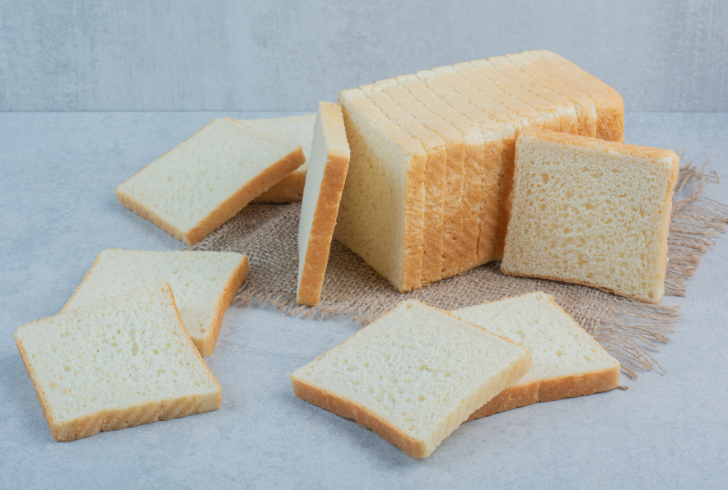
White bread often faces criticism, yet it continues to dominate markets in places like the UK, where more than 60% of adults eat it regularly. The reasons are simple, affordability, convenience, and taste. Even though it loses some nutrients during processing, white bread still supplies energy, fiber, and key vitamins to many families, especially those with tighter budgets.
Packaged breads are sometimes classified as “ultra-processed foods” (UPFs) under the Nova system. However, not all UPFs are automatically unhealthy. The health impact depends on overall diet quality and the types of ingredients used. Research shows that some factory-produced breads and cereals may even relate to lower disease risk when part of balanced diets.
White bread often includes additives such as soya flour, ascorbic acid, rapeseed oil, and natural enzymes. These improve texture and freshness while maintaining safety standards. Every approved additive undergoes rigorous testing before reaching supermarket shelves.
Although some studies question the role of emulsifiers and gut health, current evidence remains limited. Experts stress that the focus should stay on ingredient quality rather than labeling foods as “good” or “bad.”
The Role of Fortification in Nutrition
Fortification policies help make white bread more nutritious. In the UK, laws require white flour to include iron, calcium, and B vitamins. These added nutrients replace what’s lost during milling and ensure even basic loaves deliver essential minerals.
A major change arrives in 2026 when millers must also add folic acid to white flour. This step aims to prevent neural tube defects in newborns and boost folate levels among lower-income groups that rely heavily on white bread. Wholemeal and small-scale flours will remain exempt, as they already retain higher natural nutrient levels.
Through fortification, white bread continues to play an important role in public health. It helps reduce nutrient gaps and ensures affordable access to vital vitamins and minerals across communities.
Finding the Right Balance for Better Health
Both white and wholegrain breads have a place on the table. Wholegrain bread offers more fiber and long-term health benefits, while white bread provides affordability and accessibility. Choosing between them doesn’t have to be absolute—it’s about balance, moderation, and overall diet.
Bread alone doesn’t define health. What matters most is a varied diet including fruits, vegetables, proteins, and healthy fats. Improving breads with better ingredients, fortification, and clearer labeling supports public health for everyone.
Bread connects generations, cultures, and comfort. Its value lies in how it fits into balanced eating habits. Health comes from making mindful, informed choices every day. With fortified flours, smarter formulations, and growing awareness, both white and wholegrain options can serve as reliable sources of nourishment.